
“The data shows precisely nine months later, across every prefecture in Japan, the number of first-time mothers plummeted and would never recover.”
~ BirthGap
Written by Bryan Lutz, Editor at Dollarcollapse.com:
Energy shocks raise prices. They also reshape how people live.
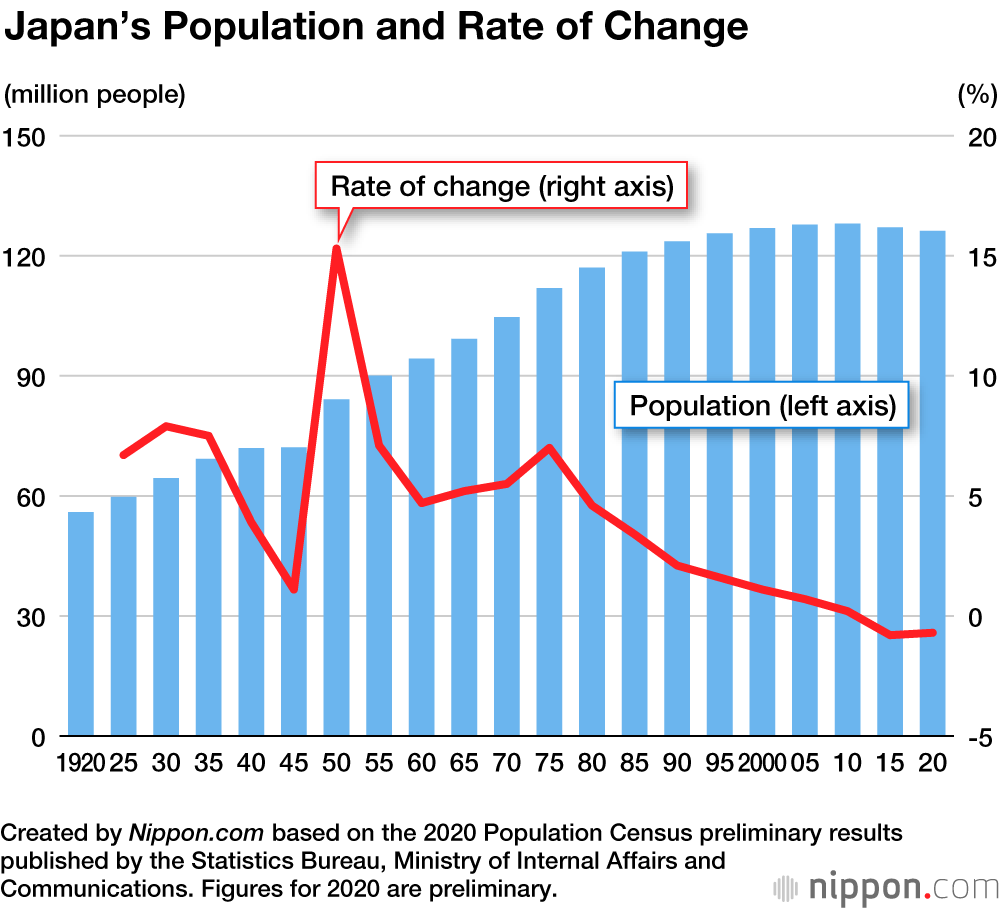
In October 1973, the Arab oil embargo hit Japan harder than almost anywhere.
At the time, Japan was the world’s largest oil importer. So, prices for food and fuel jumped overnight.
The young families who had just moved into their modern apartments suddenly faced shortages and sticker shock. Nine months later, the births stopped.
They didn’t slow down… stopped.
Now let’s look at today, June 2026. The Strait of Hormuz, where a fifth of the world’s oil trade passes, shut down in late February after the war between Iran and the U.S.-Israel coalition.
The IEA called it the largest supply disruption in the history of the oil market.
Brent ran past $98 this week before a fragile ceasefire pulled it back toward $91, and Japan still imports roughly 90% of its crude.
The Bank of Japan flagged it in April saying: Surging oil is hammering the country’s terms of trade and squeezing “households’ real income.” Inflation is the damage everyone sees upfront… in their homes… at the dinner table. Then, the lasting damage is that families no longer choose to have babies because of rising costs, men protect their income, and women seek monetary security. The thought is, “Why have children or get married when the cost of everything is so high?” And that means, demographic decline.
Here’s a full length documentary called BirthGap, which spent nine years tracing the pattern.
When you watch the documentary you’ll find out that birth-rate collapse isn’t about people choosing smaller families. Family size barely moved in fifty years.
What changed is the number of people who never become parents at all. That number explodes during(and after) economic shocks… then never recovers.
For example, Japan in 1973. Italy the same year. South Korea in its 1990s currency crisis. America after 2008. Every time, a crisis pushed young people to delay. And every time, that delay turned into permanent childlessness for a third of them. So, what does another oil shock do to a generation already marrying late, renting late, and priced out of everything?
The Government’s answer will be the same as always:
Print, borrow, and protect the pensions of the voters who still show up.
Except there’s a bigger problem… Fewer workers, more retirees, more debt monetized to cover the gap.
That is the trap Japan fell into after 1973, and the one the dollar is walking toward now. A currency that buys less each year speeds the decline along. The next baby bust may already be sitting in the price of a barrel.