For a couple of decades now, those of us in the sound money camp have been saying that the post-war global order was a dead man walking. It was built on fiat currencies, unsustainable debt, and the assumption that America could print its way out of anything forever. We were called alarmists, gold bugs, doom merchants. The usual.
Now Ray Dalio, one of the most mainstream and connected money managers on the planet, is saying the same thing.
And he’s not alone.
At the Munich Security Conference, the leaders of Germany, France, and the United States basically stood up and admitted: the old world is gone.
Where we go from here
It almost doesn’t matter which path we take from this point. They all end up in the same neighborhood.
1. The new Cold War. The US and China settle into rival economic blocs, each with its own currency sphere, supply chains, and military alliances. Trade shrinks. Efficiency dies. Costs soar. Governments on both sides print furiously to fund the arms race and keep their populations from revolting. Gold goes vertical.
2. The negotiated retreat. Some kind of grand bargain emerges — a new Bretton Woods, maybe — where the major powers carve up spheres of influence and try to manage the transition peacefully. Sounds civilized. But any deal requires massive debt restructuring means somebody’s bonds go to zero. Central banks monetize the losses. Gold goes vertical.
3. The crack-up. No deal, no cold war… Just chaos. A bond market revolt in one major economy triggers contagion across the rest. Currencies compete in a race to the bottom as every government tries to inflate its way out simultaneously. This is the disorderly version, the one that rhymes with the 1930s. Gold goes vertical.
Dalio lays out the big picture brilliantly in the piece below.
Originally posted by Ray Dalio as an X article:
Chapter 6: The Big Cycle of External Order and Disorder
-
All-out wars typically occur when existential issues (ones that are so essential to the country’s existence that people are willing to fight and die for them) are at stake and they cannot be resolved by peaceful means. The wars that result from them make it clear which side gets its way and has supremacy in subsequent matters. That clarity over who sets the rules then becomes the basis of a new international order.
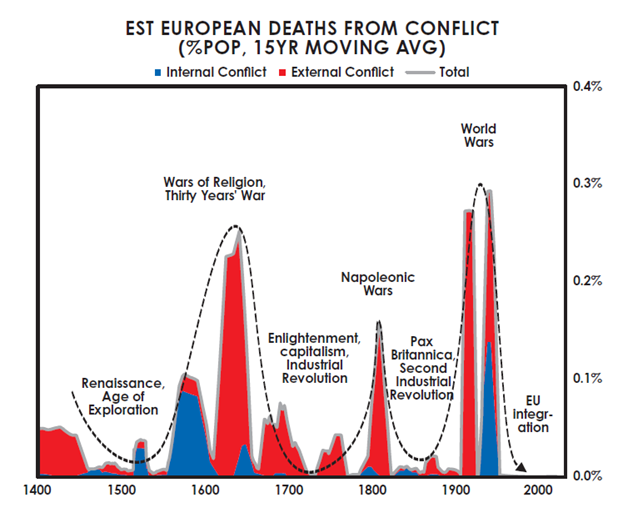
THE TIMELESS AND UNIVERSAL FORCES THAT PRODUCE CHANGES TO THE EXTERNAL ORDER
CASE STUDY: WORLD WAR II
The Path to War
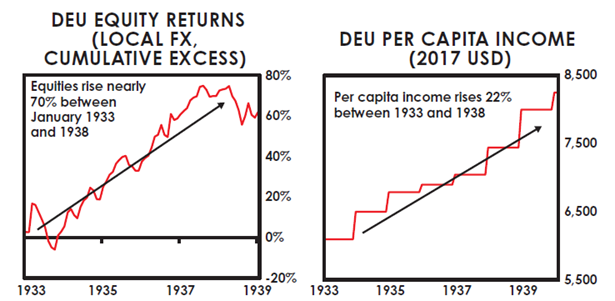
Germany and Japan
The US and the Allies
THE HOT WAR BEGINS
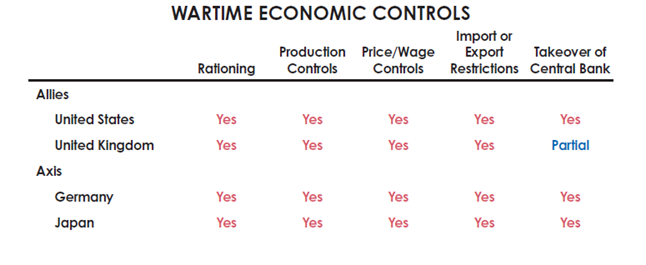
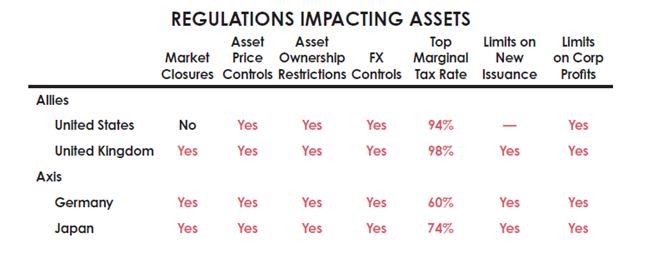
WARTIME ECONOMIC POLICIES
CONCLUSION