This is important article for those wondering why our architecture is so different from pre-modern architecture.
We are usually exposed to memes comparing the two, and the contrast is enough for the algorithm marketers to have done their job. They get likes, comments, and follows while the question remains unanswered. More than the drama, we want answers.
This article gives insight into the shock, disgust, and confusion you might be feeling when comparing modern and pre-modern architecture.
Today’s collapse is rooted in history almost 400 years old.
Originally posted by Joanna Gray on The Daily Sceptic:
It’s like Worzel Gummidge’s ‘joke’: “What’s the difference between a lemon and a banana? They’re both yellow.” What’s the difference between a new town sign, a housing estate and a doctor’s surgery? They’re all ugly. Across the land, buildings are being erected, signage replaced, facilities upgraded, yet little of it seems an improvement on what came before. My commute from our village to my place of work in a cathedral city has been aggravated in recent months by a great march of incremental uglification.
Our local old town wooden sign used to read: “Welcome to Townsville.” It had a brick structure that included a trough, filled every season with bedding plants. It was pretty. Naturally it has been replaced with a bland metal sign: “Townsville, Please drive carefully.” Topped as it is with an aggressive yellow and red 30 sign, like an ill-fitting bobble hat, it’s aesthetically unbalanced.
And passive aggressive.
Where the older sign welcomed visitors to the elegant Georgian market town, the new one makes dreadful assumptions about those who have the temerity to drive in. In asking us to “drive carefully”, it assumes that without the bossy sign, we are all speeding lunatics about to tear through the town and mow down a group of school children.
Next up is the Taylor Wimpy estate of 350 homes built on the town’s margins, after years of strenuous opposition. The next-door field is a solar farm. Houses are enormously expensive and yet most double bedrooms only have enough space for a single wardrobe and no chest of drawers. Utilities and central heating may be improved but visually, not one house looks better than the Georgian houses in the historic town centre.
“Now, now,” chides my husband, “let’s not be rude about where people live.” He was up a ladder trying to replace the rat-eaten soffits beneath the gutters of our 1980s dormer bungalow. Yes of course, shelter and affordability are important, but so too is visual beauty. I feel like William Morris who lamented: “I half wish that I had not been born with a sense of romance and beauty in this accursed age.”
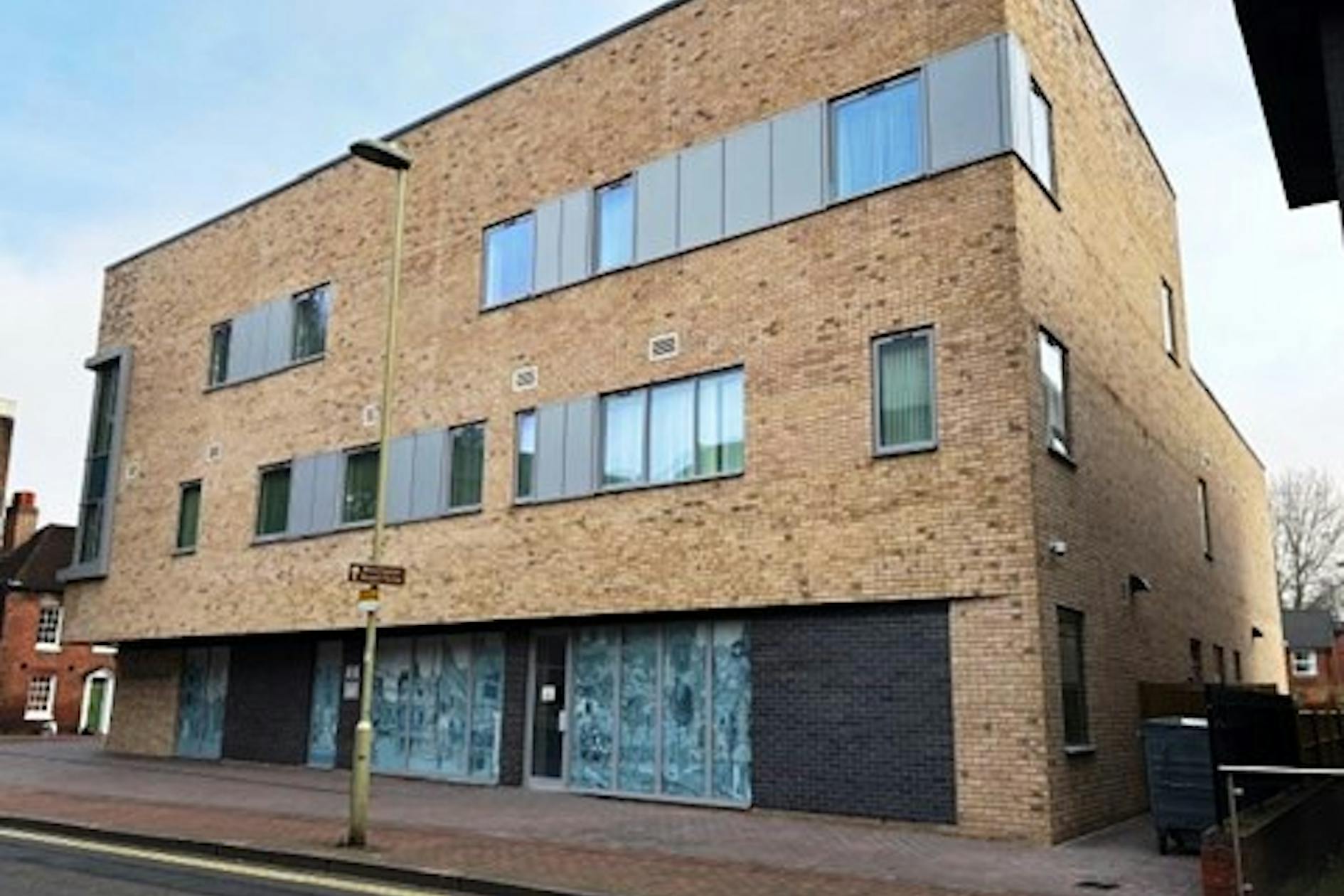
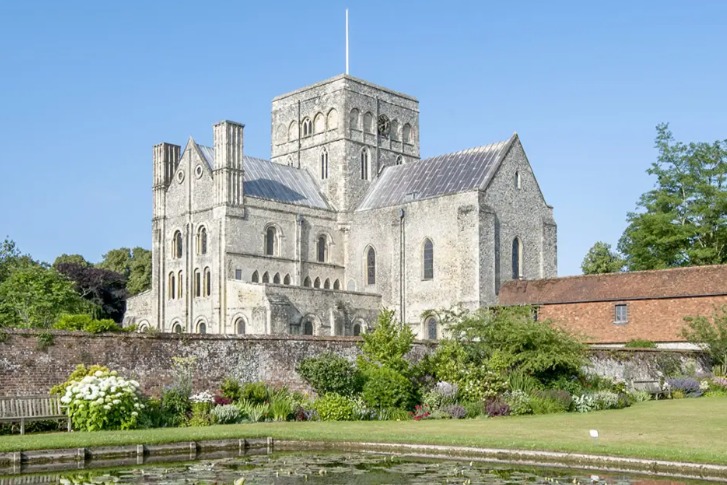
What entirely spoils my commute is the new city centre surgery that has been thrown up in the heart of Anglo Saxon Winchester. Only two months old, the St Clement’s surgery (pictured above) already looks like an abandoned 1960s precinct. When I compare this medical centre to the nearby Hospital of St Cross in Winchester, a stunning Romanesque building founded by Henry of Blois, a grandson of William the Conqueror, to help the poor (pictured below), a wave of sadness pulls at my heart. It is square and solid and buttermilk stone in the summer sun, the sort of Abbey you would travel to Normandy to visit. It has stood resplendent for nearly 900 years, continuing to support the robed Brothers of St Cross who live in what Simon Jenkin’s describes as “England’s most perfect Almshouse”. Can there be a stronger example in England of the degradation in style and substance of buildings that claim to help those in need?
At the six-month anniversary event of Looking for Growth, Harriet Green of Basis Capital spoke about the natural reflex to campaign against building projects. She cited the attempt to replace Bath’s Art Deco fire-station:
When people hear that new buildings are coming… there is upswell in support for people trying to block it. We have subbed in progress for decline, we assume that if something is going to be ‘improved’ it’s just going to be quite rubbish… when we hear that change is coming, we know it’s probably going to be shit.
While previous generations prompted architectural historian Nikolaus Pevsner to write that, “Church spires, market halls and guild buildings stand not just for religion or commerce but for the human urge to dignify its surroundings,” it appears that this urge has long since departed. The Healthcare Property ‘experts’ Assura, who developed the hulking St Clements surgery, boasts: “The development will meet the latest sustainability and energy efficiency standards. It will be able to generate onsite energy through the installation of solar panels on the roof and the design follows Net Zero Carbon principles throughout.” Mention of the dignification of the local surroundings, there is none. Of the potential of great buildings to uplift the human spirit, silence.
Various explanations have been offered to explain the collapse in modern consideration for beauty. Dominic Frisby talks about the replacement of human based measurements, feet and inches, with the metric system; Roger Scruton, the primacy of functionality over form and the philosophical rejection of tradition; my chum who’s a civil servant in the housing department, blames planning officers; others, our societal atheism precluding the need to recreate heaven on earth. I blame corporate ideology: the visions and values of the companies and councils who commission and design such buildings and street furniture.
The over-riding impetus when replacing the market town sign would have been around safety and affordability. Likewise, the new housing estate is ‘built’ around the three key concepts of ‘community,’ ‘location’ and ‘sustainability.’ Only when architects, designers, town planners, council members, healthcare property developers and house building conglomerates all orient their intentions away from such ugly-making concepts as sustainability, efficiency and safety and back towards beauty, truth and goodness, will our human made environment once again enhance this green and pleasant land. Then, John Ruskin’s rallying cry has a hope of succeeding:
When we build… let it not be for present delights nor for present use alone. Let it be such work as our descendants will thank us for, and let us think… that a time is to come when these stones will be held sacred because our hands have touched them, and that men will say as they look upon the labour, and the wrought substance of them, See! This our fathers did for us!
Or as Harriet Green put it more pithily: “When we hear ‘progress’, when we hear ‘change’ it should be an unwavering, unmistakable positive.”